The Mad Wife by Meagan Church

The Mad Wife by Meagan Church explores the struggles of a 1950s housewife, Lulu Mayfield, navigating mental health within societal expectations. As Lulu faces personal crises, her neighbor's mysterious presence amplifies her insecurities. The novel delves into the complexities of womanhood, identity, and the psychological toll of conformity, ultimately offering a reflective commentary on the era.

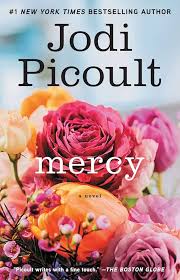
Mercy by Jodi Picoult

At its core, this novel asks one massive question, is it ever okay to kill someone you love if they ask you to? From that point on, Picoult does what she does best: she complicates it. Morally, legally, emotionally, and relationally. No angle is left untouched, which is both the book’s biggest strength and, at times, its biggest weakness.

The Ex by Freida McFadden

In "The Ex," Freida McFadden explores themes of jealousy and insecurity within relationships. Despite a gripping narrative and emotional tension, the plot can become convoluted, making it hard to follow. The climax reveals deeper issues with character motivations, leaving readers perplexed. Overall, it’s an intriguing but messy psychological thriller.

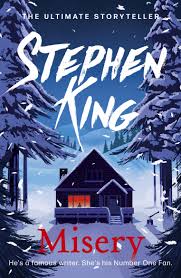
Misery by Stephen King

Every time I pick up a Stephen King novel, I expect something monstrous lurking in the shadows, a clown, a creature, a curse. But Misery reminds you that some of King’s most terrifying villains are painfully, horrifyingly human. There are no ghosts here, no cosmic horrors or ancient evils. Just a farmhouse, a snowstorm, a broken author, and the most chilling biggest fan of all time.